

Every year, the London rental market develops a slightly frantic summer personality. Students need somewhere before term starts, families are trying to get settled before September and existing renters tend to have more stock to choose from. Then autumn arrives, applicant numbers begin to settle and the market gets labelled “slower”.
But slower does not mean inactive.
Zoopla’s September 2025 rental report showed that demand had softened nationally as supply began to recover, but it also found London was behaving differently from much of the country, with rental supply growing by just 6% year-on-year. Rightmove’s Q3 figures told a similar story from a pricing perspective: by October 2025, the average advertised London rent had reached a record £2,736 per month, 1.6% higher than the year before, despite tenant demand being lower nationally.
So autumn is not summer. There may be fewer renters racing against a university start date or trying to move before the school term begins, but people are still moving and London rental values have remained remarkably resilient.
The more useful question for landlords is not whether autumn is “busy” or “quiet”.
It is: who is actually looking now?
First up, the graduate becoming a working professional
There is an interesting group of renters who sit somewhere between the summer student market and the established professional one.
They have finished university, secured their first serious job and suddenly the house they happily shared with four people at 21 is feeling slightly less appealing when Monday morning now involves a 9am meeting.
For some, autumn means moving to London for a new role. For others, it is the point where they leave student-style accommodation behind and start looking for something that fits working life a little better.
Their priorities change accordingly. The commute starts to matter more. So does somewhere to work from home, decent storage, good broadband and a home that feels slightly more grown-up without necessarily requiring a huge jump in budget.
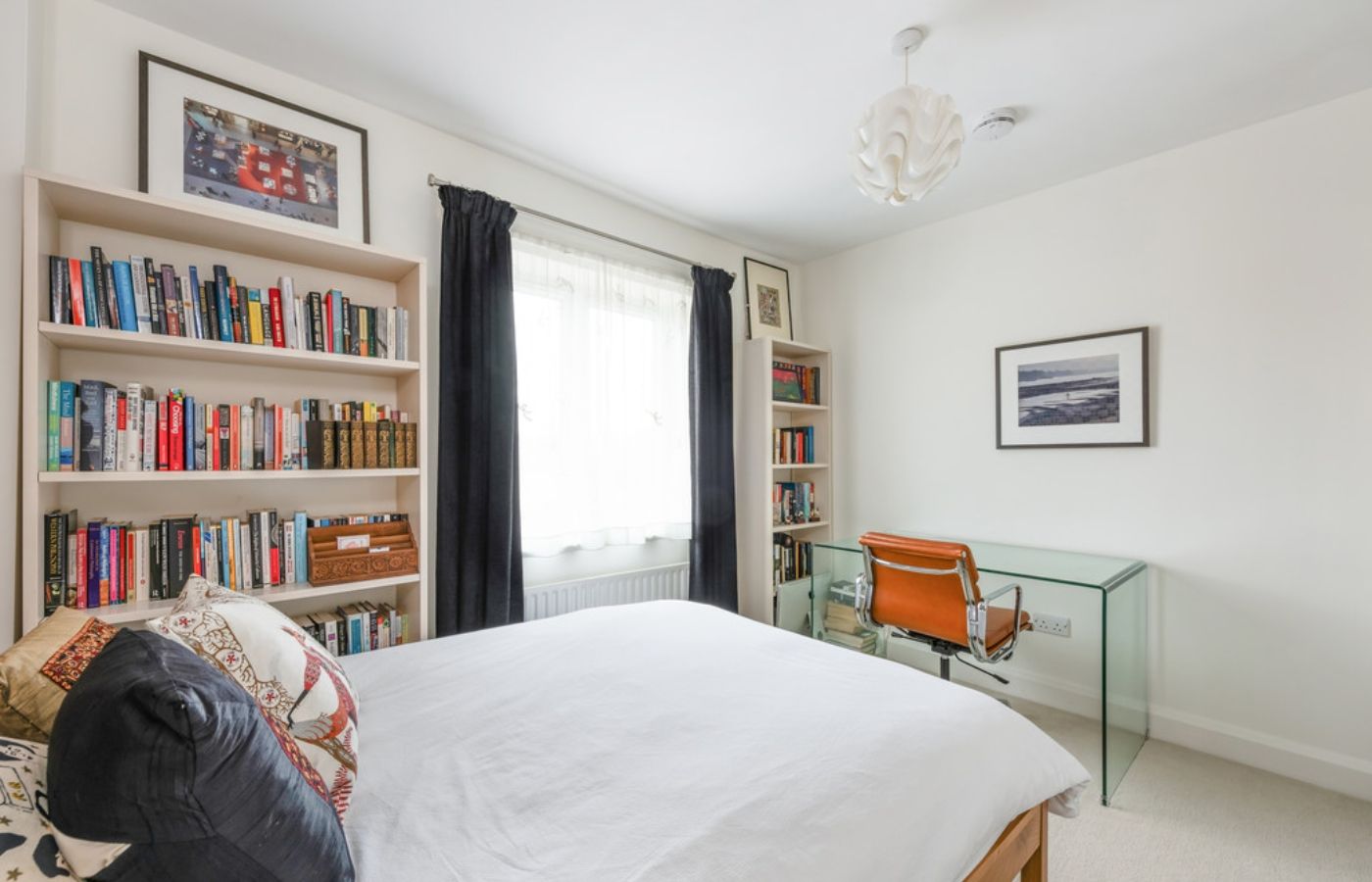
Two-bedroom properties can work particularly well for this market, either for two friends sharing or for a couple who wants a second bedroom that can double as an office.
And this is where landlords need to think about how the property is being presented. The same second bedroom that was marketed as another student room in July might be far more compelling in October when shown as somewhere somebody can comfortably work three days a week.
Same home. Different renter. Different story.
Then there is the autumn upgrader
This is probably the renter people think about least when talking about seasonality because there is not always one obvious deadline pushing them to move.
They are not starting university next Monday. They do not necessarily need to be out before the school term begins. They may simply have spent another summer in a one-bedroom flat and decided they would quite like a second bedroom, a balcony, a garden or enough space that the dining table no longer doubles as an office.
Some may be couples moving in together. Others are leaving house shares, changing jobs or moving to a part of London that better suits the way they actually live now.
That lack of urgency changes how they search.
When renters have slightly more breathing room, they can compare properties more carefully. Condition matters. Presentation matters. Storage suddenly gets scrutinised. The kitchen, the road, the park nearby and where they will spend Sunday morning all start forming part of the decision.
For landlords, that means autumn is not necessarily the time to throw the property online and assume demand will do the rest.
A well-presented two-bedroom flat in Islington or Highbury, for example, may need to be sold as much on lifestyle and functionality as square footage. In Crouch End, outdoor space, quieter residential roads and access to the Broadway may carry more weight for someone making a considered move than they did for an applicant racing against ten other people in July.
Autumn renters often have more choice. Give them a reason to choose yours.
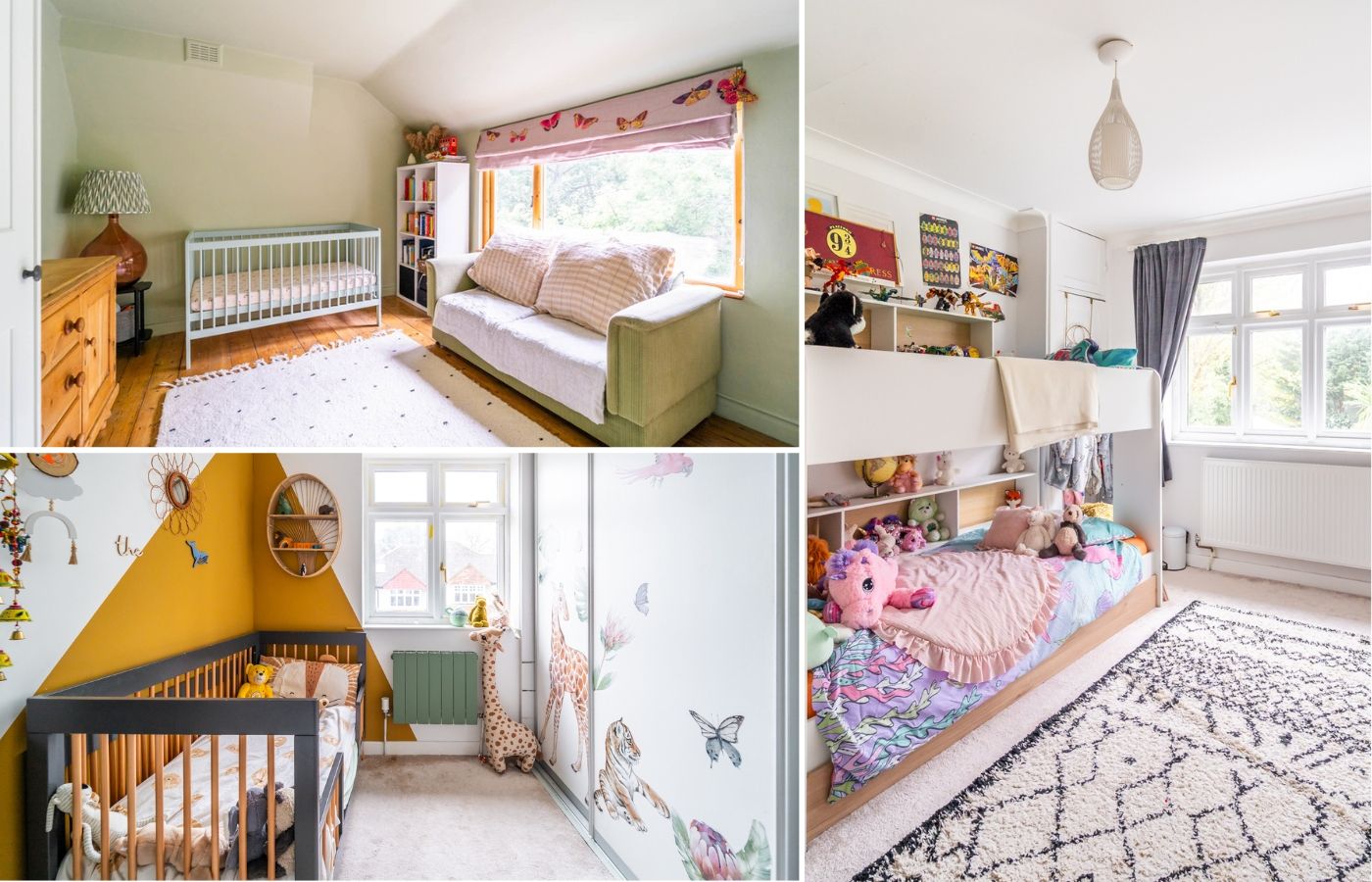
Families have not completely disappeared either
Summer is still the obvious family-moving season. It gives parents time to relocate, unpack and get children settled before September arrives.
But that does not mean every family move is wrapped up by the August bank holiday.
There is a later group who return from the summer holidays and start looking more seriously at where they want to be for the next few years. School research becomes more focused too. In Camden, for example, applications for September 2027 secondary school places close on 31 October 2026, while many school open events take place throughout the autumn term.
That does not mean moving to a particular road guarantees a particular school place. Admissions criteria vary and families should always check directly with the relevant school or local authority.
What it does mean is that autumn remains a period when some families are making quite strategic decisions about where they want to settle.
And those renters tend to look at a property differently again. Storage matters. Dining space matters. Gardens matter. The journey to school matters. So does whether the property feels as though it could realistically work for several years rather than simply getting them through the next twelve months.
For a landlord with the right family home, that is still a very valuable renter to be speaking to.

And then there is corporate demand, which has its own calendar entirely
Corporate renters are slightly different because their move is often dictated by work rather than by the rental market itself.
Someone is transferred to London. A new role starts. A business sends an employee over from another country. An international assignment begins. If the company needs that person here in October, they are moving in October.
That makes corporate demand far less tied to the traditional summer rush.
We know this market particularly well through our corporate work and Japanese desk, and the priorities are usually quite clear. Corporate renters want the move to feel straightforward from the moment they arrive. Location, transport, security, reliable internet, condition and good management all matter, particularly for someone landing in London and trying to establish a completely new routine.
Modern apartments and well-managed one and two-bedroom homes can perform particularly well here, but the important point for landlords is that this demand does not simply disappear once summer is over.
Corporate moves happen when the job requires them to happen, and that can create very real opportunities throughout autumn.
So, what does autumn actually mean for landlords?
Mostly, it means your strategy should change with the renter.
Summer can be very forgiving because urgency does a lot of the work. When several applicants need somewhere quickly and stock is moving fast, there is naturally less time to deliberate.
Autumn tends to create a slightly more considered market.
That makes pricing more important. It makes presentation more important. It makes understanding who the property is most likely to suit more important.
A two-bedroom professional flat in Islington should not necessarily be positioned in exactly the same way as a family house in Crouch End or a high-spec Hampstead apartment being presented to a corporate relocator. The photography may be the same quality, but the story around the property, the features we bring forward and even the furnishing conversation may be quite different.
And that is really the point.
A good letting strategy should not depend on waiting for the busiest month of the year.
It should understand who is moving now.
There will always be seasonal peaks and quieter periods, but quieter does not mean inactive. Last autumn showed exactly that: applicant registrations fell significantly from their summer peak, while renter budgets and achieved rents remained resilient.
Summer brings volume. Autumn brings a different kind of opportunity.
For landlords, the job is to make sure the property is priced, presented and marketed for the renter who is actually looking for it.
If you’re thinking about bringing a North London rental to market this autumn, speak to our lettings team. We can help you understand who is likely to be looking, what they are prioritising and how to position your property for the market in front of you.
Looking to Sell or Let your property?
Our team of local experts are here to help you.
Other Stories
*Company registration address 27 Mortimer Street, London W1T 3BL



*The stats on the website have been collected by David Astburys from data analysed over the last 24 months